-
Military-Grade Drones: Technology and Operational Use
Introduction to Military-Grade Drones
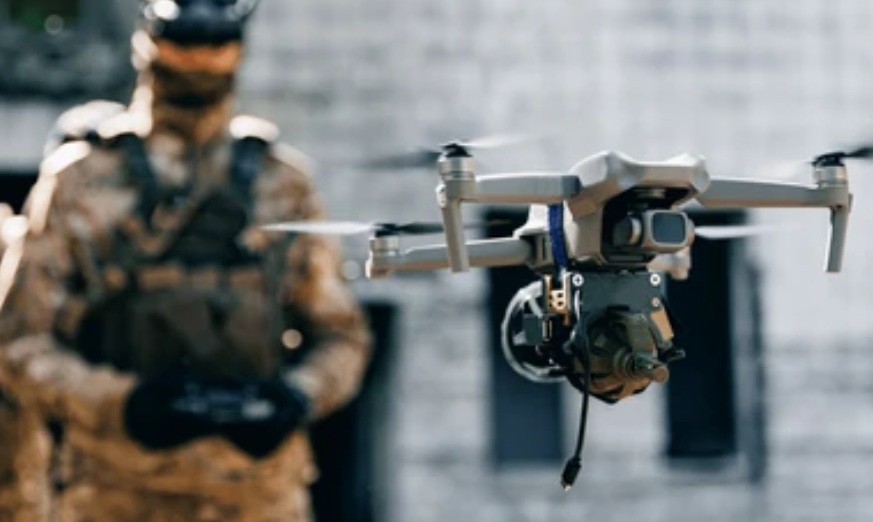
Military-grade drones have become pivotal assets in modern warfare and defense strategies. These sophisticated unmanned aerial vehicles (UAVs) offer a combination of advanced technology and tactical versatility that supports a wide range of military operations. Unlike commercial drones, military drones are specifically engineered to meet stringent requirements for durability, stealth, payload capacity, and operational endurance. The use of military drones continues to evolve rapidly, driven by advancements in aerospace engineering, sensor technology, and artificial intelligence.
In the realm of military applications, the term military drones refers to UAVs designed for reconnaissance, surveillance, and combat missions, providing real-time intelligence and precision strike capabilities while minimizing risks to personnel.
Technological Features of Military-Grade Drones
Military-grade drones incorporate cutting-edge technologies that distinguish them from commercial and recreational UAVs. Key components include:
- Advanced Sensors and Cameras: High-resolution electro-optical, infrared, and synthetic aperture radar (SAR) systems enable detailed surveillance and target detection in diverse environmental conditions.
- Stealth and Durability: Many military drones employ stealth features such as low radar cross-section designs and noise reduction technologies to avoid detection. Their airframes are built from lightweight, resilient materials to withstand harsh operational environments.
- Autonomous Navigation: Equipped with sophisticated autopilot systems and GPS-guided navigation, these drones can execute complex flight paths with minimal human intervention, including takeoff, reconnaissance, and landing procedures.
- Secure Communication: Encrypted data links ensure secure transmission of surveillance data and command signals, reducing vulnerability to electronic warfare and hacking attempts.
- Payload Flexibility: Military drones can be configured to carry various payloads, including reconnaissance equipment, electronic warfare tools, and precision-guided munitions.
Operational Roles and Applications
Military-grade drones serve multiple operational roles that enhance battlefield awareness and effectiveness:
- Surveillance and Reconnaissance: These drones gather critical intelligence over enemy territory, monitor troop movements, and provide real-time situational awareness. This role often overlaps with that of a surveillance drone used in both military and civilian contexts.
- Target Acquisition and Designation: Drones assist in identifying and marking targets for guided munitions, thereby increasing strike accuracy and reducing collateral damage.
- Combat Engagement: Armed drones can carry out precision strikes against high-value targets while minimizing risk to friendly forces.
- Electronic Warfare: Some military drones are equipped to jam enemy communications and radar systems.
- Logistics and Supply: Emerging uses include the delivery of supplies to remote or contested locations, enhancing operational sustainability.
Military Drones versus Commercial Drones
Understanding the difference between uav vs drone terminology can be helpful when comparing military-grade drones with their commercial counterparts. While UAV (Unmanned Aerial Vehicle) is a technical term for any aircraft without a pilot onboard, “drone” is a more general term often used in both civilian and military contexts. Commercial drones primarily serve purposes such as aerial photography, drone inspection, and recreational use, focusing on ease of operation and cost efficiency. In contrast, military drones prioritize robustness, stealth, and mission-specific capabilities.
Commercial drones are increasingly employed in various sectors including drone utility inspection for infrastructure monitoring, and drone security for perimeter surveillance. However, they lack the advanced defensive systems and operational endurance characteristic of military-grade platforms.
Challenges and Ethical Considerations
The deployment of military drones raises several challenges and ethical questions. Issues such as autonomous targeting decisions, civilian collateral damage, and the psychological impact of remote warfare are subjects of ongoing debate within international communities. Additionally, the proliferation of drone technology has led to concerns over unauthorized use and counter-drone measures to protect critical assets.
Future Trends in Military Drone Technology
Ongoing research aims to enhance the capabilities of military drones through artificial intelligence, swarm technology, and improved energy efficiency. The integration of drones with other military systems, such as manned aircraft and ground forces, is expected to create more cohesive and responsive operational networks. These developments will further solidify the role of military drones as essential tools in modern defense strategies.
Advancing Tactical Capabilities with Military Drones
Military-grade drones represent a transformative force in defense technology, blending sophisticated engineering with versatile operational roles. As these systems continue to evolve, they will enhance situational awareness, precision engagement, and mission effectiveness while raising important considerations about the future of warfare and security.